



Treaty and institution guides
The EU knowledge test does not ask you to summarise a treaty. It asks a question whose answer is a single article, and surrounds it with four options that are true statements about neighbouring articles. That is why "I have read the TFEU" and "I can answer TFEU questions" are different skills.
Each guide here takes one article and does three things: quotes what it actually says, names the article it is most often confused with, and shows the family of exam questions it answers. The judicial triangle — 258, 263, 267 — is covered as a set, because the whole difficulty is telling them apart. So is the institutional one: Articles 15, 16 and 17 TEU.
Alongside the articles sit the comparisons candidates lose marks on: Council of the EU against European Council against Council of Europe, TEU against TFEU, and internal against external competitions. The wording is taken from the consolidated texts in the Official Journal, not paraphrased.

Article 107 TFEU Explained: State Aid and the Internal Market
The four cumulative conditions that make aid State aid, the difference between aid that shall be compatible and aid that may be, and why Article 108 is half the answer.

Article 191 TFEU Explained: EU Environment Policy and Its Principles
The four objectives, the four principles — precaution, prevention, rectification at source, polluter pays — and the level-of-protection wording EPSO builds EU Knowledge questions from.

Article 207 TFEU Explained: The Common Commercial Policy
Why trade is an exclusive EU competence, what Article 207 actually covers, how trade agreements are negotiated under Article 218, and the unanimity exceptions that decide real cases.

Article 47 of the Charter Explained: Effective Remedy and Fair Trial
What Article 47 of the EU Charter of Fundamental Rights guarantees, why Article 51 decides when it applies at all, and the scope trap EPSO builds EU Knowledge questions from.

Articles 15 and 16 TEU Explained: The European Council and Qualified Majority
What the European Council does and why it does not legislate, plus the exact qualified majority arithmetic — 55% of members, at least 15 States, 65% of the population, and the four-member blocking minority.

EPSO Preparation Platforms Compared (2026): What Each One Publishes, and What It Actually Costs
A dated, source-linked comparison of 12 EPSO preparation platforms — EU Training, Pass EPSO, ORSEU, Prepari, Yepso, JobTestPrep, EPSOready, EPSO Genius, EPSOHQ, EU Campus, Open Exam Prep and EU-now. Every figure is what the platform itself publishes, checked on 27 August and 6 September 2026.

Internal vs External EPSO Competitions 2026: Don't Prepare the Wrong Test
Internal vs external EPSO competitions in 2026 use different tests and platforms. What changes in format, eligibility and calendar — so you prep the right one.
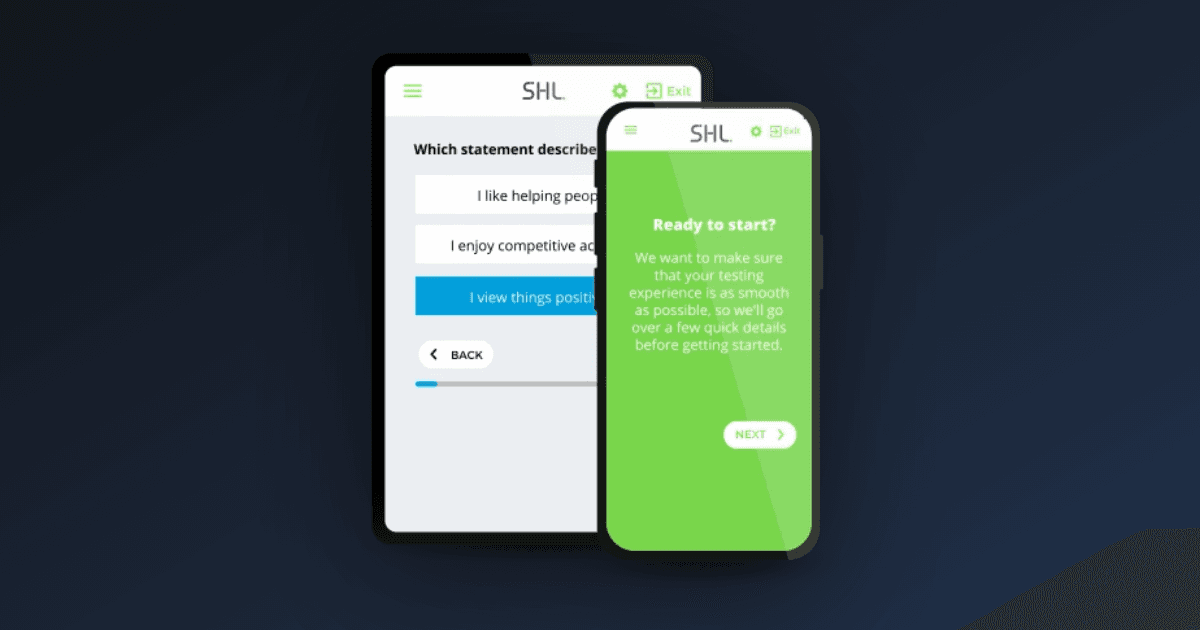
What Is SHL Verify Interactive G+? The Cognitive Test in the 2026 EU Commission Internal Competitions
SHL Verify Interactive G+ is the adaptive cognitive test in the 2026 EU Commission internal competitions: 24 questions, 36 minutes, 60th-percentile cut-off.

Article 17 TEU Explained: The European Commission
What the Commission actually does under Article 17 TEU — guardian of the Treaties, right of initiative, budget execution — and the exam traps around it.

Article 263 TFEU Explained: The Action for Annulment
How EU acts get struck down: reviewable acts, the four grounds, privileged vs individual applicants and the two-month limit — Article 263 for EPSO candidates.

Article 314 TFEU Explained: The EU Budget Procedure
How the EU's annual budget is adopted — the special legislative procedure of Article 314, its calendar, and the budget-vs-MFF distinction EPSO loves.

Article 50 TEU Explained: The Withdrawal Clause
How a Member State leaves the EU: notification, negotiation, the two-year clock and what Brexit proved — with the exam traps EPSO builds from Article 50.

Articles 101 & 102 TFEU Explained: EU Competition Rules
Cartels under Article 101, abuse of dominance under Article 102 — the two pillars of EU competition law and the distinctions the EPSO EU Knowledge test probes.

Article 258 TFEU Explained: The Infringement Procedure
How the Commission pursues Member States that break EU law — the reasoned opinion, the referral to the Court, and the 258/259/260 distinctions EPSO tests.

Article 267 TFEU Explained: Preliminary Rulings
How the preliminary ruling procedure really works — who may refer, who must refer, and the 'it is not an appeal' trap EPSO builds EU Knowledge questions from.

Article 288 TFEU Explained: Regulations, Directives, Decisions
The five EU legal acts and exactly how they bind — the single most tested article in the EPSO EU Knowledge syllabus, with the trap matrix.

Articles 289 and 294 TFEU Explained: The Ordinary Legislative Procedure
Article 289 defines the ordinary legislative procedure and Article 294 runs it. Commission proposal, two readings, conciliation — and the who-does-what traps the EPSO EU Knowledge test builds from the OLP.

Article 45 TFEU Explained: Free Movement of Workers
What Article 45 TFEU actually guarantees, the public-service exception, and how EPSO tests it — with the traps the EU Knowledge test loves.

Council of the EU vs European Council vs Council of Europe
Three 'Councils', three different things — the single most tested confusion in the EPSO EU Knowledge test, settled with the treaty articles.

TEU vs TFEU: Which Treaty Does What?
The two founding treaties of the EU, told apart in five minutes — same legal value, different jobs, and the mapping every EPSO EU Knowledge candidate needs.