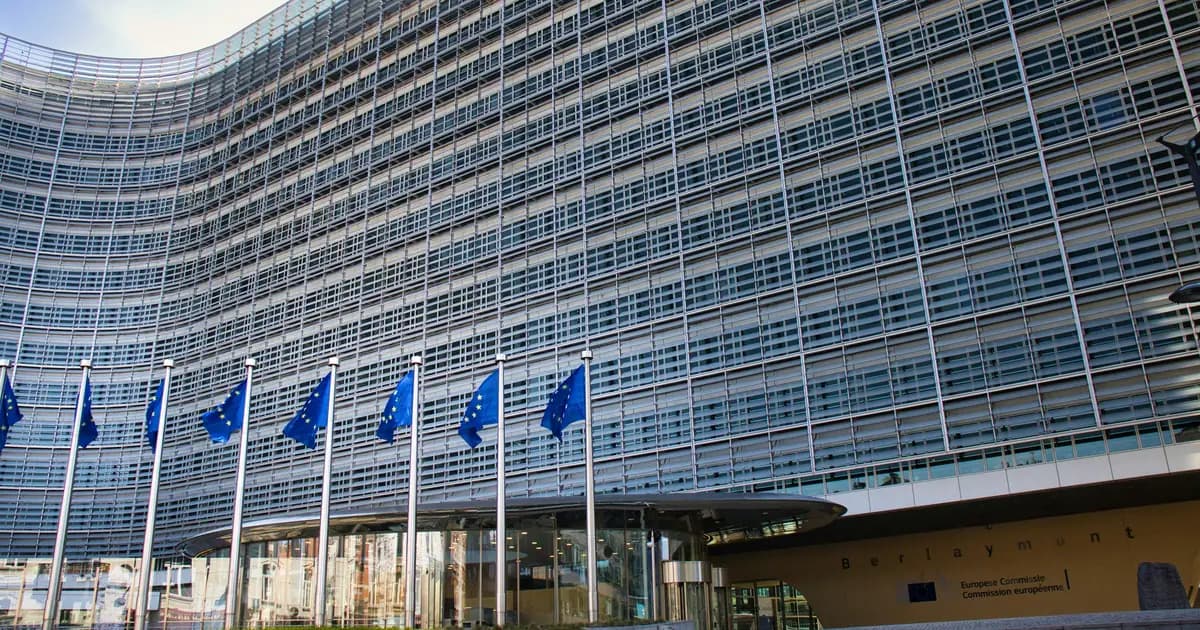



If the EPSO EU Knowledge test kept statistics on its most profitable trap, this would top the table: three bodies with "Council" in the name, two of them EU institutions, one of them not even in the EU system — and question-writers who know that under time pressure, similar names blur. Ten minutes with this page immunises you permanently.
It belongs to our institutions-and-treaties series for EU Knowledge candidates, alongside TEU vs TFEU, Article 288 on legal acts and Article 294 on the ordinary legislative procedure.
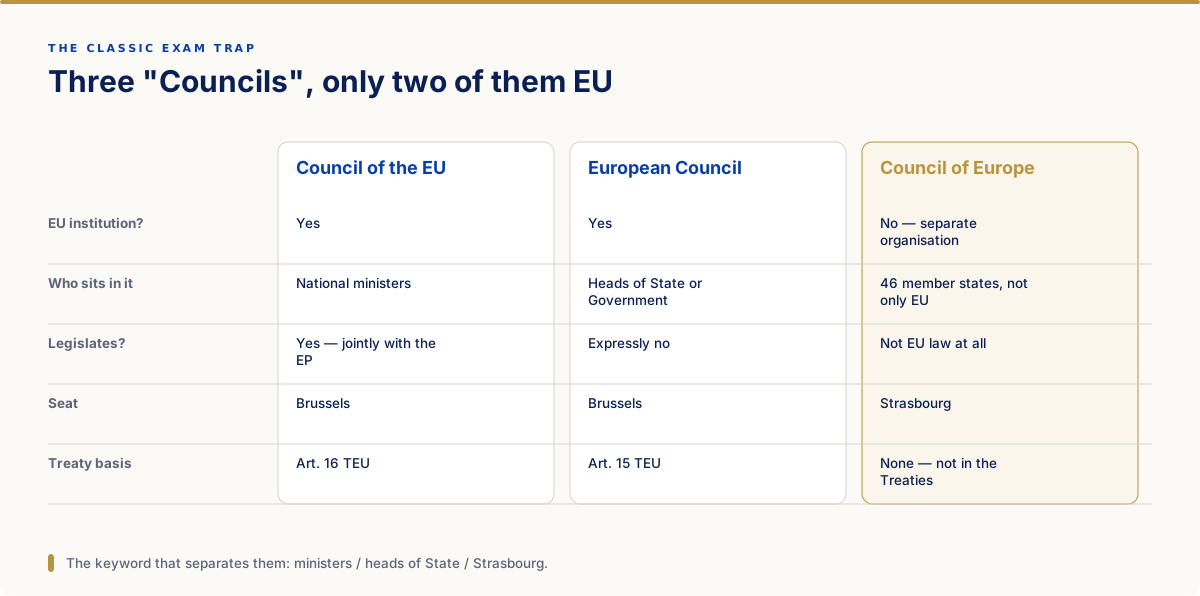
The three, side by side
| Council of the EU | European Council | Council of Europe | |
|---|---|---|---|
| Is it an EU institution? | Yes | Yes | No — separate organisation |
| Who sits in it | National ministers (one per Member State, by policy area) | Heads of State or Government + its President + Commission President | Member governments of 46 European states |
| What it does | Co-legislates and exercises budgetary functions with the Parliament | Provides impetus, defines political directions and priorities | Human rights, democracy, rule of law — home of the ECHR |
| Legislates? | Yes — jointly with the EP | Expressly no (Art. 15 TEU) | Not EU law at all |
| Seat | Brussels (Luxembourg in some sessions) | Brussels | Strasbourg |
| Treaty basis | Art. 16 TEU | Art. 15 TEU | None — not in the EU Treaties |
What the treaty actually says
The European Council — Article 15 TEU. The consolidated text (OJ C 202) is unusually quotable: the European Council "shall provide the Union with the necessary impetus for its development and shall define the general political directions and priorities thereof. It shall not exercise legislative functions." Composition: the Heads of State or Government, together with its President and the President of the Commission, with the High Representative taking part in its work. It meets twice every six months, convened by its President — the summit rhythm you see in the news.
That "shall not exercise legislative functions" is the most weaponised half-sentence in the EU Knowledge syllabus. Any option in which the European Council adopts regulations, amends directives or votes on legislation contradicts the treaty's own words.
The Council of the EU — Article 16 TEU. The Council "shall, jointly with the European Parliament, exercise legislative and budgetary functions", plus policy-making and coordination. It consists of "a representative of each Member State at ministerial level" empowered to commit their government — which is why it meets in configurations (agriculture ministers, finance ministers) depending on the file. It acts by qualified majority except where the Treaties provide otherwise; since November 2014 that means the double majority of 55% of members — at least fifteen — representing at least 65% of the Union's population.
This is the institution that sits opposite the Parliament in the ordinary legislative procedure. When you read "the Council" in a legislative context, it is this one.
The Council of Europe — not in the treaties at all. Founded in 1949, seated in Strasbourg, with a membership far wider than the EU's, it is the organisation behind the European Convention on Human Rights and its court, the European Court of Human Rights. It shares a flag and an anthem with the EU, which multiplies the confusion — but it is a distinct international organisation. In an EU institutions question, "Council of Europe" is almost always the planted wrong answer.
The exam patterns
Property swaps. "The European Council, composed of national ministers…" (that is the Council of the EU). "The Council of the EU defines the general political directions of the Union…" (that is the European Council). One transplanted clause turns a true statement false.
The Strasbourg decoy. "The Council of Europe is the EU institution responsible for…" — stop at EU institution; nothing after it can rescue the statement.
The court confusion. The European Court of Human Rights belongs to the Council of Europe and applies the ECHR. The Court of Justice of the EU in Luxembourg applies EU law (see Article 267). Swapping them is the advanced version of this trap.
The chairing detail. Full-time elected President for the European Council; rotating six-month national Presidency for the Council of the EU (with the Foreign Affairs exception). Harder questions live here.
Why this trio is worth over-learning
Three names, two institutions, one non-EU organisation — and the exam does not need to be subtle about it, because the confusion does the work. It is worth over-learning for a reason that goes beyond the questions it answers directly: the discriminators are the same ones that carry the rest of the institutional syllabus.
Who sits in a body tells you what it can do. Ministers legislate; heads of State or Government set direction and, by Article 15 TEU, expressly do not legislate. Where a body sits tells you which legal order it belongs to: Strasbourg for the Council of Europe, which is not an EU institution and produces no EU law, however European its subject matter. And which treaty article defines it tells you whether it appears in the EU Treaties at all — the Council of Europe does not.
Learn the trio as three columns rather than three definitions, and the same table answers questions phrased about composition, about powers, about seat and about legal basis, without re-deriving anything.
The three-keyword anchor
When the clock is running, reduce each body to one word: ministers legislate (Council of the EU), leaders steer (European Council), Strasbourg is not the EU (Council of Europe). Then test the full pattern against free weekly EU Knowledge questions, and slot institutions study into your campaign with the complete preparation guide.
Get the free EPSO AD reasoning mock test
A realistic practice PDF — verbal, numerical and abstract reasoning. Enter your email and we send it right away.
Free. No spam. Unsubscribe anytime.